
Local convenience store chains are increasingly disappearing as larger chains snap them up.
“Competition has gotten keener, and as a result, the small- to mid-size operator has more difficulty competing with economies of scale,” Dennis Ruben, executive managing director for c-store advisory firm NRC Realty & Capital Advisors, told CStoreDive. “Unless somebody’s got a company with a succession plan or a family member that wants to keep in the space… frankly, there’s a lot of incentives for somebody to sell right now.”
In the 1980s, my small town offered a local convenience store, Paul’s Market, which sold everything from snacks to groceries, as well as stores that were part of two small chains. Those stores have long since disappeared, with larger chains, including Cumberland Farms, taking their place.
That trend has been happening nationwide, with CStoreDive identifying 10 small chains selling to larger brands so far in 2026.
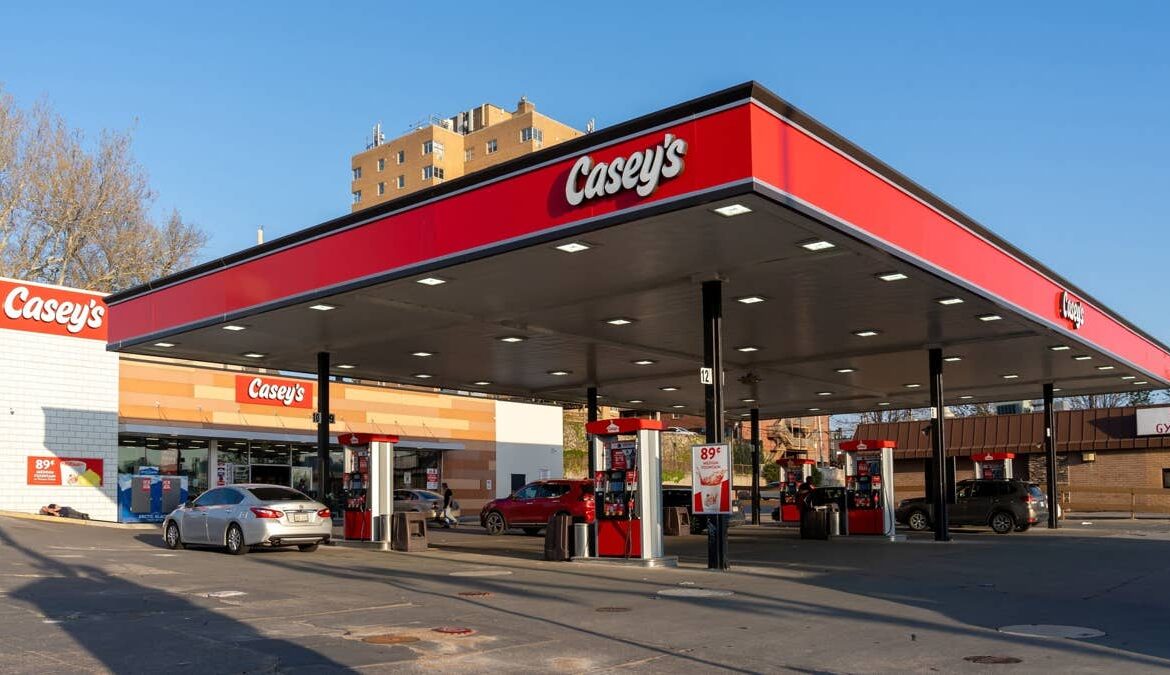
Now, Casey’s General Stores has purchased a popular regional chain and will be transitioning its stores and phasing out its branding.
Casey’s buys ASAP
“After more than 47 years in business, ASAP Energy Inc. is exiting the convenience store channel through an agreement to sell its 20-store chain to Casey’s General Stores Inc.,” Convenience Store News reported.
The sale includes ASAP Energy’s 20 convenience stores in Oklahoma, as well as its wholesale and commercial fuels and lubricants businesses and other related assets, according to a Casey’s representative.
ASAP Energy owners Rick and Sheila Koch explained their decision to sell.
“We want more for our employees, more opportunities for professional growth, more resources, and more possibilities for long-term success. We believe Casey’s can provide those opportunities,” Rick and Sheila Koch said in a statement posted on Facebook.
“Casey’s is a company where people can build long, rewarding careers, and we see this as an incredible opportunity for our Team members to grow alongside a thriving brand.”
Casey’s will phase out the ASAP name as it remodels the stores and rebrands them with the Casey’s General Store name.
Shutterstock
Casey’s has a growth plan
Casey’s sits behind only 7-Eleven and Alimentation Couche-Tard/Circle K in store count when it comes to U.S. convenience stores.
The chain, however, has a long way to go to catch up, as 7-Eleven has more than 12,000 locations, while Alimentation Couche-Tard/Circle K has nearly 7,000, according to CSP Daily News.
The ASAP transaction follows another recent purchase for Casey’s.
Casey’s, which operated 2,959 stores as of July 31, 2026, in 19 states, according to a recent SEC Filing, purchased Fikes Wholesale, Inc., owner of CEFCO Convenience Stores, in an all-cash transaction for $1.145 billion.
The purchase price includes tax benefits valued at approximately $165 million, for a net after-tax purchase price of $980 million, according to a press release.
Since the transaction closed, Casey’s has been remodeling CEFCO stores, then rebranding them under the Casey’s banner.
Casey’s CEO Darren Rebelez talked about the ongoing remodeling and renaming process during the company’s first-quarter earnings call.
“The stores that have already been remodeled to Casey’s in prior periods have performed exceptionally well, and we expect to remodel Cefco stores throughout the fiscal year,” he said.
Rebelez shared the progress on the transition.
“During fiscal year 26, we remodeled approximately 50 Cefco stores to Casey’s. In the first quarter of fiscal year 27, we have remodeled 24 more stores. We are extremely excited about the results we are seeing, as the average PFMDB lift at the stores that were remodeled is 30% versus the results of the same period prior to the remodel,” he added.
More Retail:
- Home Depot is making a big bet on cautious consumers
- Another state just banned a controversial retail pricing practice
- JPMorgan just flagged a slow-build food crisis
In addition to acquisition, Casey’s plans to open 120 new stores in 2026.
Casey’s has a unique business model. About 71% of its locations are in towns with fewer than 20,000 people, and roughly half are in Iowa, Missouri, and Illinois, according to the SEC filing referenced above.
Small c-store chains face increased pressure
“The pace of merger and acquisition activity in the U.S. convenience store sector is accelerating, with recent trends suggesting the nation’s c-store landscape is ripe for more change,” according to a report from CoBank.
“While most of the transactions in 2024 involved smaller chains or single-store operators, several larger operators inked deals to significantly expand their footprints into new regions.”
More room for consolidation remains.
“There still remains a large number of chains out there in the 10 to 100 store range that, depending on what their long-term strategy is — especially if they’re family-owned businesses — may decide that they want to get out,” Rob Gallo, chief strategy officer for c-store consultancy Impact 21, told CStoreDive.
And while many of these companies have been in the same family for multiple years, their operating challenges have increased.
“It’s just more difficult to manage the chain if you’re a small operator compared to the big guys, especially with the consolidation going on across the country and in many cases, in their backyards,” Jesse Betzner, senior director for Capstone Partners, an investment banking and M&A advisory firm, told CStoreDive.
In addition to acquiring CEFCO, Casey’s has bought the 22-site Lone Star Food Stores chain and is in the process of buying the 24-location Pak-A-Sak brand, according to CSP Daily News. Some Lone Star locations will be rebranded as Casey’s, but others may retain their original name while being remodeled to match Casey’s on the interior.
Casey’s has not shared a decision on whether it will rebrand the Pak-A-Sak stores.
Related: 45-year-old pizza chain closed more than 90 locations and filed bankruptcy 3 times