
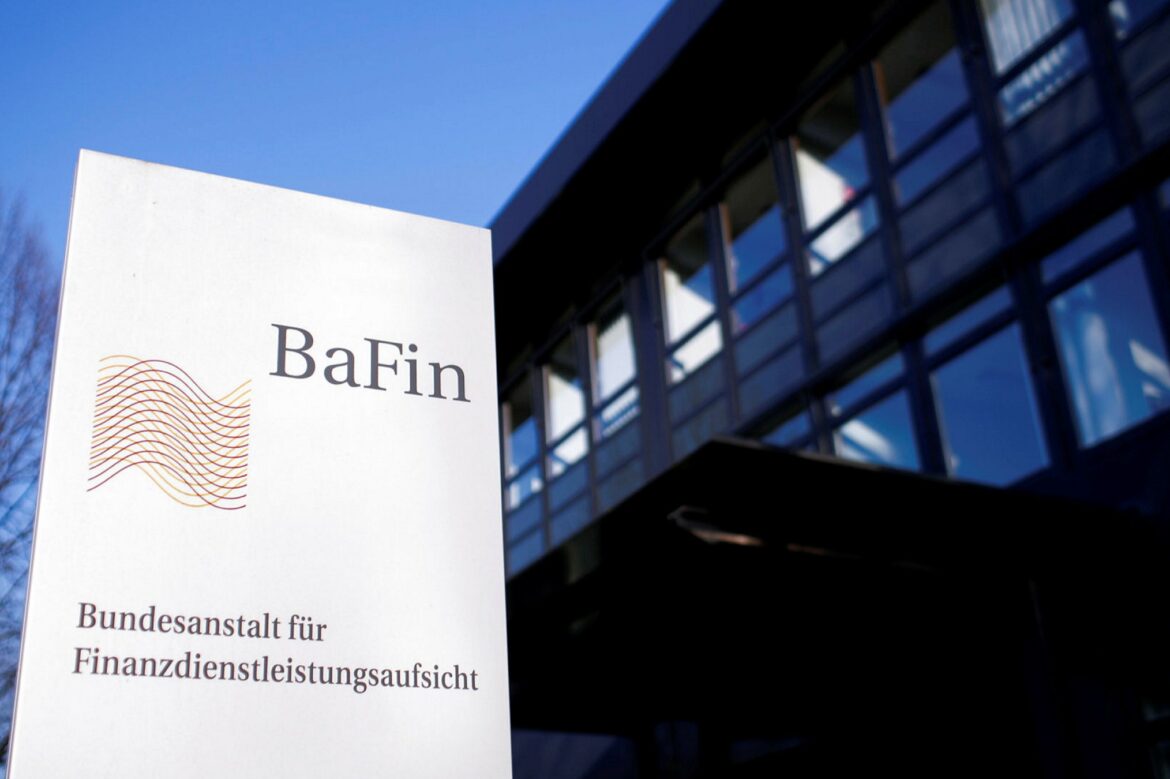
The decision removes the regulatory route Bitcoin Group had been relying on to relaunch bitcoin.de as a redesigned brokerage. Operational trading activities have already been largely suspended since June 12, while the company waited for a decision on futurum bank’s application, which was originally submitted on June 27, 2025.
Bitcoin Group said it had prepared for a possible refusal and now intends to use regulated German partners to restore trading. One regulated institution would initially act as the customer’s trading counterparty, while another regulated provider would handle custody.
The company is reviewing the BaFin decision and can lodge an objection within one month of formal notification. Futurum bank could also submit another MiCA application later.
Why Did BaFin Refuse Futurum Bank’s MiCA Application?
Bitcoin Group said the regulator considered the current implementation and operationalization of measures required for authorization, together with the additional progress achievable in the short term, insufficient for approval.
The company disagrees with that assessment but acknowledged that the refusal means BaFin’s previous tolerance of futurum bank providing crypto-asset services no longer applies.
The setback comes as Germany has become one of Europe’s largest MiCA licensing jurisdictions. FinanceFeeds previously found that BaFin accounted for 73 records in ESMA’s MiCA register by September, ahead of supervisors in France and the Netherlands.
Several companies have already secured German approvals. DZ Bank received BaFin approval for its retail crypto platform earlier this year, illustrating how authorization is increasingly becoming a prerequisite for competing in Germany’s regulated crypto market.
Investor Takeaway
The refusal does not close bitcoin.de permanently, but it removes the direct licensing route on which its planned brokerage relaunch depended. Execution now shifts to securing regulated partners quickly enough to prevent the trading suspension from extending further.
How Would Bitcoin.de’s Alternative Model Work?
Bitcoin Group plans to separate regulated functions between external partners rather than waiting for futurum bank to obtain its own authorization. A regulated institution based in Germany would act as trading counterparty, while another regulated company would custody customer crypto assets.
Futurum bank will continue holding customer assets until they are transferred to the new custodian. Bitcoin Group said customer claims remain fully intact and expects to provide more information about migration requirements and timing through bitcoin.de.
The model has precedent under MiCA. Nexo has maintained EEA services through separate licensed partners for custody and brokerage rather than relying on a MiCA authorization held directly in its own name. Such structures allow the customer-facing platform to continue operating while regulated activities are performed by authorized entities.
Bitcoin Group CEO Moritz Eckert said the company wants trading through the redesigned bitcoin.de app to resume within the next few weeks, although no partner agreements have yet been announced.
Investor Takeaway
A partner model could shorten the route back to market, but it introduces dependency on third-party execution and custody. Investors should watch the identity of the partners, migration timetable and economics of the new structure.
Why Does the Delay Matter for Bitcoin Group’s Financials?
The regulatory problem arrives when Bitcoin Group is already absorbing the cost of rebuilding bitcoin.de. The company reported first-half 2026 revenue of €1.59 million, down from €3.78 million a year earlier, while EBITDA deteriorated to a €3.25 million loss from a €1 million loss.
Cash and cash equivalents fell to €3.9 million at June 30 from €12.6 million at the end of 2025, although the group still reported €199 million of net crypto holdings and an equity ratio of 71.8%.
Only a week before the BaFin announcement, management said the new bitcoin.de website and trading application were technically complete. The planned brokerage would expand the platform from its traditional peer-to-peer model to more than 100 cryptocurrencies, savings plans, swaps and staking.
Management had already warned that the delayed relaunch would contribute to lower full-year revenue and another negative EBITDA result in 2026. The licensing refusal now makes the timing of a return to normal trading dependent on the proposed partner structure rather than futurum bank’s own authorization.
What Happens Next for Bitcoin.de’s 1.1 Million Users?
Bitcoin.de says it has more than 1.1 million registered users, making the speed of the migration commercially important. Trading has been largely unavailable for almost four months, increasing the risk that active customers move to competitors with uninterrupted MiCA-compliant access.
That competitive pressure has already appeared elsewhere in Europe. FinanceFeeds reported that Binance suspended services for some EU customers after failing to secure a MiCA license before the transition deadline, creating opportunities for authorized rivals to capture displaced users.
Investor Takeaway
The key near-term test is no longer whether futurum bank receives the original license. It is whether Bitcoin Group can sign regulated partners, migrate custody and restart trading quickly enough to preserve its customer base while containing the financial impact of the prolonged suspension.