
Walmart and Target make a mistake that pushes shoppers to Amazon
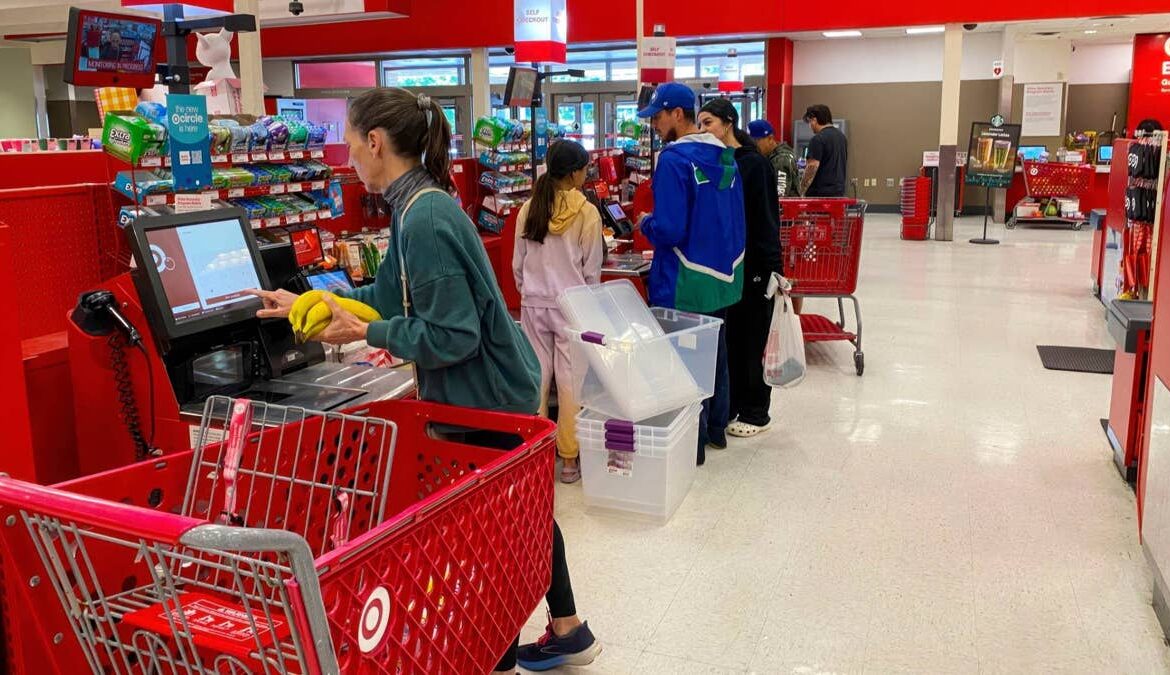
I’ve left Target on multiple occasions because the checkout line seemed absurdly long.
I’m not alone in doing that.
“More than 3 in 4 shoppers (78%) have left a store empty-handed because of rush-related problems, with the average abandoned shopping trip worth $113 among those who recall their planned spending,” according to original consumer research conducted for the Logile 2026 Peak Hour Penalty Report.
Some other key findings include:
- 74% say understaffing during predictable busy periods is a planning failure, not bad luck.
- 55% have cut back on visits or stopped treating a store as their regular store after repeated bad experiences.
- 64% say having more checkout lanes open would improve their experience during peak hours.
The situation is not unique to Target. I’ve also witnessed Walmart at peak times with long checkout lines, and I’ve been frustrated at both retailers trying to find someone to help me on the floor.
Staffing issues aren’t unique to Walmart and Target. Instead, they’re a problem at multiple retailers, which drives customers online, usually to Amazon.
Retailers are cutting back on holiday hiring
Retailers are expected to add 450,000 jobs in the fourth quarter of 2026, marking one of the smallest seasonal hiring sprees in nearly two decades, according to an analysis of Bureau of Labor Statistics data by Challenger, Gray and Christmas.
“If you’re doing whatever you can to get somebody to come to your store during the holidays, and you’ve improperly managed inventory to a point where people can’t get what they want, or they can’t get somebody to help them because there’s not enough people, or the lines are so long it scares them away — that’s a huge mistake,” customer experience expert and author Shep Hyken told CX Dive.
More Target:
- Best Buy offers a price match policy Target dropped
- Target makes a big mistake with its latest pricing decision
- Target has a problem that sends shoppers to Amazon
GlobalData Managing Director Neil Saunders made it clear that retailers need to address holiday hiring, but noted that it’s not a simple problem to solve.
“Holiday hiring numbers need to be treated with a bit of caution, as it’s possible to cover the additional workload by allowing existing staff to work more hours — and many elect to do so. That said, understaffing or lack of hours is an issue, and it’s one of the major causes of a poor store experience. Ultimately, it can be a false economy — as Target previously found out — because if customers are driven away, then you lose sales and it degrades the bottom line,” he posted on RetailWire.
Neither Target nor Walmart has formally released a national holiday hiring plan. Both chains have handled added hires on a local basis for the past few years, with Walmart leaning on adding hours for existing staff.
TheStreet
Amazon offers a smoother shopping experience
I order from Amazon nearly every day because it’s easy. I only visit a Target or Walmart if I’m looking for something to do or need something right away.
I’ll walk around a Target drinking a coffee from their Starbucks as entertainment, but even if I find something I want, I’m willing to abandon it if the checkout line looks long.
That’s part of a bigger problem, according to Headcount CEO Mark Ryski.
“To a great extent, many retailers still only allocate more labor hours when sales go up — but the problem is, in the meantime, they’re missing sales they could have made every day,” he posted on RetailWire.
RTM Nexus CEO Dominick Miserandino sees it as a penny-wise, pound-foolish strategy.
“Retailers spend billions trying to get customers into their stores, and then sometimes make it nearly impossible to find someone who works there,” he told TheStreet.
That, he noted, plays directly into Amazon’s hands.
“There’s something ridiculous about walking through a massive Walmart or Target looking for an employee, only to realize you could have found the product, ordered it online, and been home by now. At some point, you’re not saving money on staffing. You’re training customers to shop somewhere else,” he added.
Related: Costco’s $13 billion move challenges its core promise