
The distinction matters because there is currently no evidence that the suspension reflects a regulatory decision against Zcash, CoinShares or privacy-focused cryptocurrencies generally. Instead, the issue sits in the infrastructure connecting an exchange-listed security with the securities depository responsible for completing trades after execution.
What Prevented the CoinShares Zcash ETP From Trading?
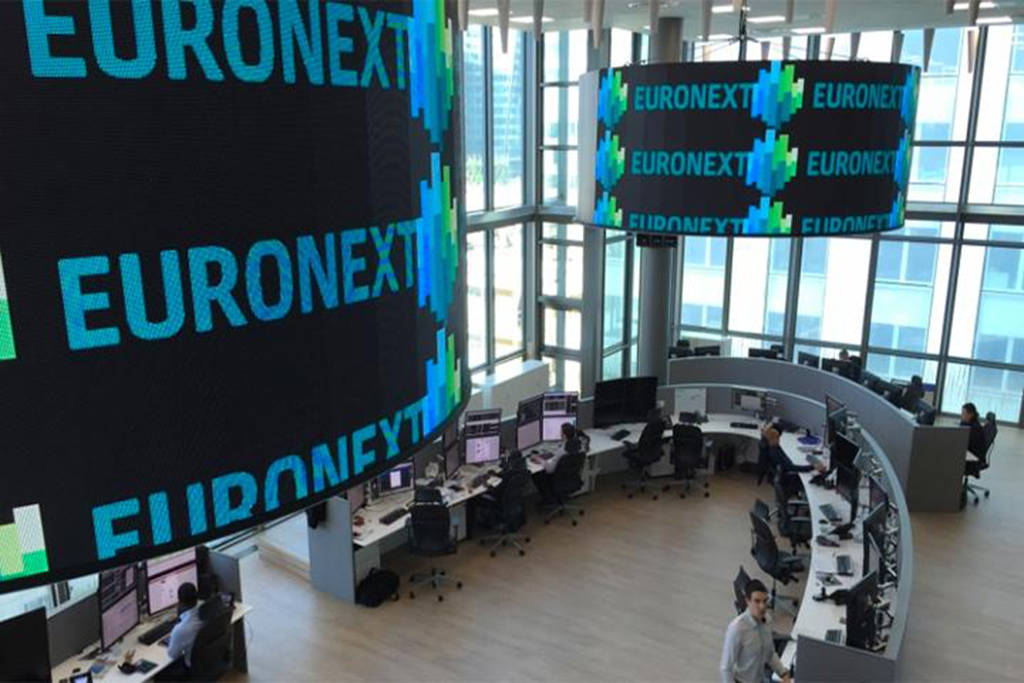
CoinShares had announced ZCSH earlier Wednesday as the latest product in its physically backed cryptocurrency range. The ETP is backed 100% by ZEC held in institutional custody, carries a 1.50% annual management fee and was scheduled to trade in euros on Euronext Paris.
Investors buying the ETP would receive an exchange-traded security tracking Zcash rather than taking direct possession of ZEC or managing cryptocurrency wallets and private keys.
Trading, however, requires more than an exchange accepting orders. Once a buyer and seller execute a securities transaction, the security and corresponding cash must pass through the post-trade settlement infrastructure. Euronext said that process could not yet be fully supported for ZCSH.
No new trading date has been announced, and the available explanation does not identify the precise technical or operational problem at the CSD.
The episode shows that launching a crypto ETP depends not only on the issuer securing the underlying assets and an exchange admitting the security, but also on custody, clearing and settlement systems being able to process it reliably.
Investor Takeaway
The suspension appears to be a post-trade infrastructure problem rather than a judgment on Zcash itself. Until settlement is available, however, the practical result is the same: investors cannot trade ZCSH on Euronext Paris.
How Does ZCSH Compare With Europe’s Existing Zcash Products?
The delayed launch comes little more than a month after 21Shares introduced Europe’s first Zcash ETP on Euronext Paris and Amsterdam. The 21Shares product is also physically backed but charges a higher 2.50% annual management fee.
Other Zcash products have subsequently appeared in Sweden through Valour and Virtune, meaning CoinShares’ launch would have expanded an increasingly competitive European market for regulated ZEC exposure.
The comparison with the existing 21Shares product is particularly important because it is already trading on Euronext. That makes it difficult to interpret CoinShares’ suspension as a blanket exchange prohibition on Zcash exposure. The unresolved issue appears specific to the settlement arrangements supporting the new security.
CoinShares has been expanding distribution across its wider crypto-product franchise. Its Bitcoin and Ethereum securities were recently added to Hargreaves Lansdown, while the asset manager has also developed a UCITS platform aimed at institutional investors whose mandates cannot hold conventional crypto ETP structures.
Why Does Settlement Matter for Crypto ETP Expansion?
The suspension exposes an often less visible constraint on the growth of exchange-traded crypto products. Investors typically focus on the underlying token, management fees and regulatory approval, but successful listings also depend on traditional securities-market infrastructure.
An ETP can have cryptocurrency in custody and an exchange listing while still being unable to trade if securities cannot move through the relevant settlement system in the normal manner.
That infrastructure issue becomes increasingly important as issuers expand beyond Bitcoin and Ether into assets with smaller institutional custody and market-support networks. CoinShares itself described ZEC as less widely distributed across mainstream platforms than cryptocurrencies of comparable size.
The company has simultaneously been broadening its regulated European investment infrastructure, including through its new UCITS platform for institutional investors. ZCSH illustrates that product manufacturing and regulatory structures are only part of that expansion; operational compatibility across exchanges, custodians and securities depositories is also necessary.
Investor Takeaway
As crypto ETP issuers move into less widely supported assets, settlement infrastructure can become a launch constraint even when an exchange and issuer are ready to bring the product to market.
Does the Suspension Reflect Zcash’s Privacy Risks?
Nothing disclosed by Euronext currently supports that interpretation. Zcash does face regulatory scrutiny because users can choose shielded transactions that conceal transaction information, and privacy-focused cryptocurrencies have faced restrictions in several jurisdictions.
Those issues remain relevant to the long-term distribution of Zcash investment products, but they should not be conflated with Wednesday’s suspension. Euronext specifically characterized the current problem as an operational settlement matter.
The immediate question is therefore whether the required CSD support can be completed and when Euronext will lift the suspension. Until a new notice is issued, CoinShares has a physically backed Zcash product ready for the European market but no active trading venue for its planned Paris debut.